Saudi Arabia is in the middle of a metabolic health reckoning, and the GCC GLP-1 market is expanding faster than almost any therapy category in the region. Growth in prescriptions, however, does not equal success for patients or brands.
Visual summary
See the whole article at a glance
Follow the journey, then explore how the key ideas connect.
Article journey
Topic mind map
- The GLP-1 Opportunity Is Real — and So Is the Drop-Off Risk
- The Five Design Pillars of a High-Performing GLP-1 PSP in KSA
Questions answered (4)
The GLP-1 Opportunity Is Real — and So Is the Drop-Off Risk?
Saudi Arabia is in the middle of a metabolic health reckoning. Obesity rates exceed 40% in some adult population segments. The Kingdom's Vision 2030 health reform agenda has placed chronic disease prevention at the center of national policy. And the GCC GLP-1 market — valued at over USD 1.1 billion — is expanding at a pace that has few parallels in the region's pharmaceutical history.
But growth in prescriptions does not equal success for patients or brands. A 2025 Saudi study found that a significant proportion of GLP-1 users had unsatisfactory awareness of their own medications — including how to administer them correctly, what side effects to expect, and what lifestyle changes would make therapy more effective. Without structured support, even motivated patients discontinue early, and the transformational potential of GLP-1 therapies is never realized.
This is the challenge — and the commercial opportunity — that a well-designed patient support program (PSP) exists to solve.
Why Generic PSP Models Fail in the GCC?
The patient support infrastructure that works in Western Europe or North America does not translate directly to Saudi Arabia or the UAE. Understanding this gap is the first step to designing something that actually performs.
Cost and coverage remain the central barrier. GLP-1 medications often carry a monthly cost exceeding USD 1,000. Insurance coverage for obesity-indicated therapy is inconsistent across the GCC, and many patients are self-paying. A PSP that ignores financial navigation — co-pay support, alternative access pathways, or clear out-of-pocket guidance — loses patients before the first injection.
Cultural framing determines acceptance. Obesity in the region has historically been viewed through a lens of personal responsibility and social stigma. GLP-1 therapies are shifting this narrative, reframing obesity as a chronic metabolic disease. Your PSP must lead with this science-backed reframe — not just in the patient-facing language you choose, but in the way you train pharmacists, HCPs, and call-centre staff who are the program's human touchpoints.
Arabic-first communication is non-negotiable. A 2025 awareness gap study from Saudi Arabia points to educational deficits, not motivational failures. Patients who do not fully understand what they are taking, why side effects occur, or how to sustain lifestyle modifications alongside pharmacotherapy are at predictable risk of discontinuing. Materials that exist only in English — or that are mechanically translated rather than culturally adapted — compound this risk.
Regulatory compliance is table stakes, not a differentiator. Saudi Arabia's SFDA has active guidelines governing how pharma companies can interact with patients. Any digital platform, app, or patient data touchpoint in a PSP must account for PDPL (Personal Data Protection Law) requirements. Building compliance in from the design phase is faster and safer than retrofitting it.
The Five Design Pillars of a High-Performing GLP-1 PSP in KSA?
1. A Tiered Onboarding Journey
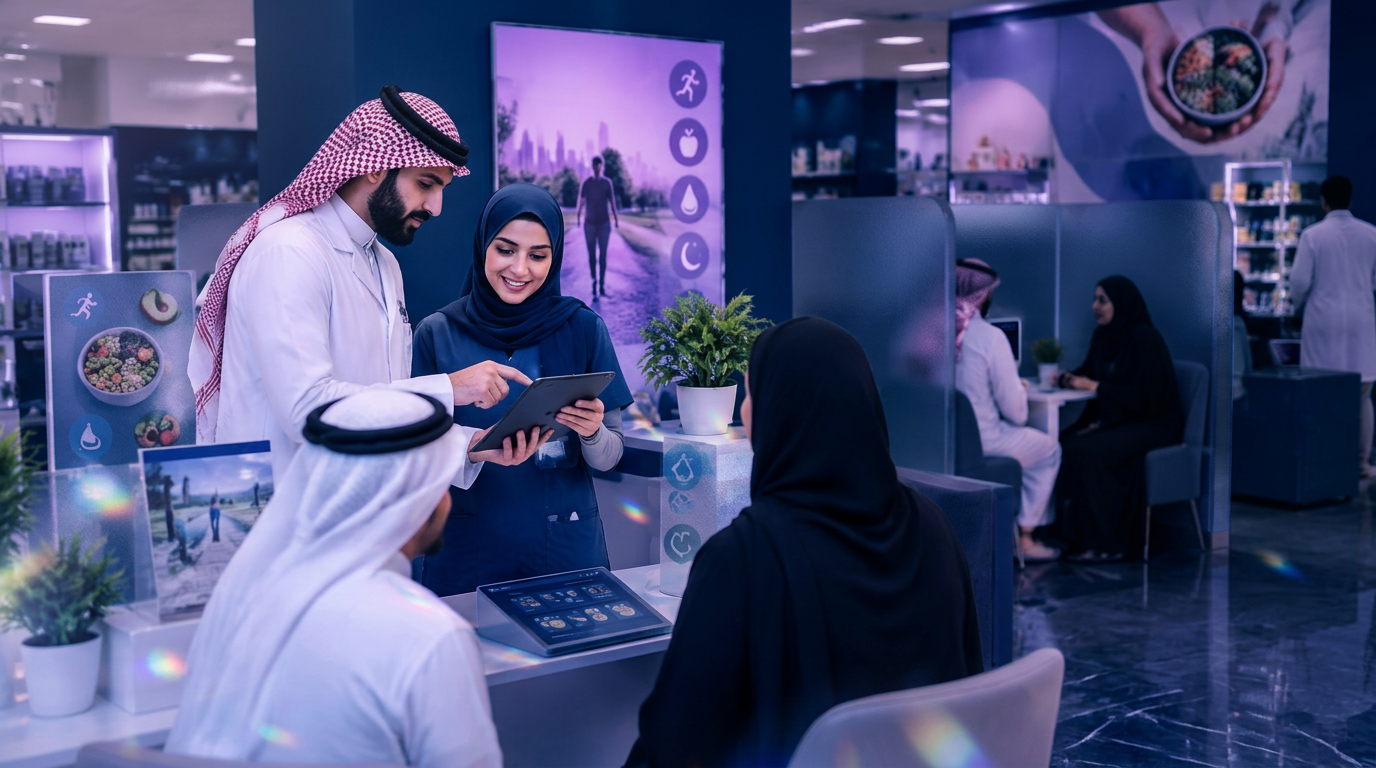
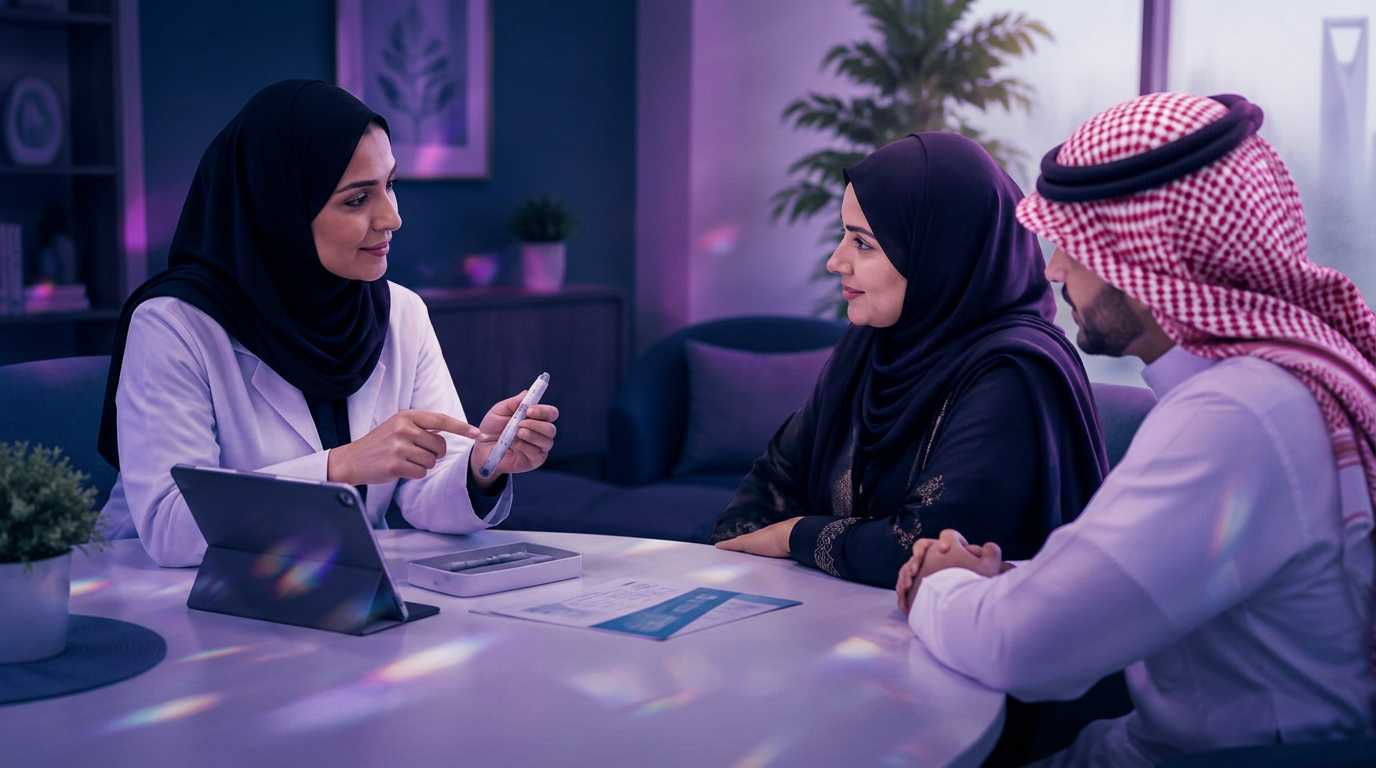
The first 90 days determine whether a patient will stay on therapy. Design onboarding as a structured journey: injection training and device orientation (critical for auto-injector-naive patients), nutritional guidance aligned with Saudi dietary patterns (Ramadan protocols should be built in from day one), and behavioral nudges that celebrate small progress milestones. Nurse educators and pharmacist liaisons — deployed at prescribing centers or through a telehealth touchpoint — are more effective at this stage than app notifications alone.
2. A Multi-Channel Engagement Architecture
Patients in Saudi Arabia are high smartphone users. WhatsApp remains the dominant personal communications channel. A PSP that operates only through a branded app will reach a fraction of the eligible population. The most effective GCC programs combine:
- A lightweight onboarding app or web portal (collecting consent, preferences, and baseline health data)
- WhatsApp-based check-in nudges and coach access
- Telephone or video nursing support for clinical questions
- In-pharmacy touchpoints with trained retail pharmacists
This architecture serves both the technically confident patient and those who simply prefer a phone call.
3. HCP Integration, Not HCP Exclusion
Some PSP models are designed as patient-only programs that run parallel to — rather than alongside — the prescribing relationship. This creates confusion and missed opportunities. In the GCC market, HCP trust is paramount. Physicians want to know their patients are enrolled in a structured program, and they want to receive progress signals without administrative burden. Design feedback loops that give prescribers visibility:
- A monthly patient adherence summary (privacy-compliant and aggregated)
- An alert mechanism for patients who have not refilled on schedule
- A direct escalation path for clinical questions surfaced through the program
4. Outcome Measurement That Matters
Real-world evidence from your PSP population is a commercial asset — but only if you design data collection correctly from the start. Key adherence metrics (time-to-second-fill, 3-month and 6-month persistence rates), patient-reported outcomes (PROs on quality of life, side effect burden, confidence), and engagement rates by channel and touchpoint give you a foundation for program optimization and future stakeholder conversations. Any data collection must comply with PDPL and SFDA promotional guidelines. Build your data architecture with a Saudi legal review in the project plan, not after launch.
5. Cultural and Seasonal Adaptation
A GLP-1 PSP in Saudi Arabia that does not address Ramadan is incomplete. Patients fasting during Ramadan face real questions about injection timing, appetite suppression management, and dietary guidance. Proactively designing Ramadan-specific content, scheduling, and nurse touchpoints demonstrates cultural competence and prevents the annual attrition spike that poorly designed programs experience during the holy month. Similarly, consider seasonal variations in physical activity (extreme heat in summer), the role of family in health decisions, and the preference for gender-concordant healthcare interactions for many patients.
What Spectra Brings to GLP-1 PSP Design?
Spectra Solutions MEA designs and executes patient support programs for pharmaceutical brands operating in Saudi Arabia, the UAE, and the wider GCC. Our methodology — Engage, Educate, Convert — is built on strategy-led execution that connects brand objectives to measurable patient outcomes. Our GLP-1 PSP capabilities include:
- Patient journey mapping and program architecture design
- Arabic-first content development and cultural adaptation
- Digital platform strategy and HCP integration design
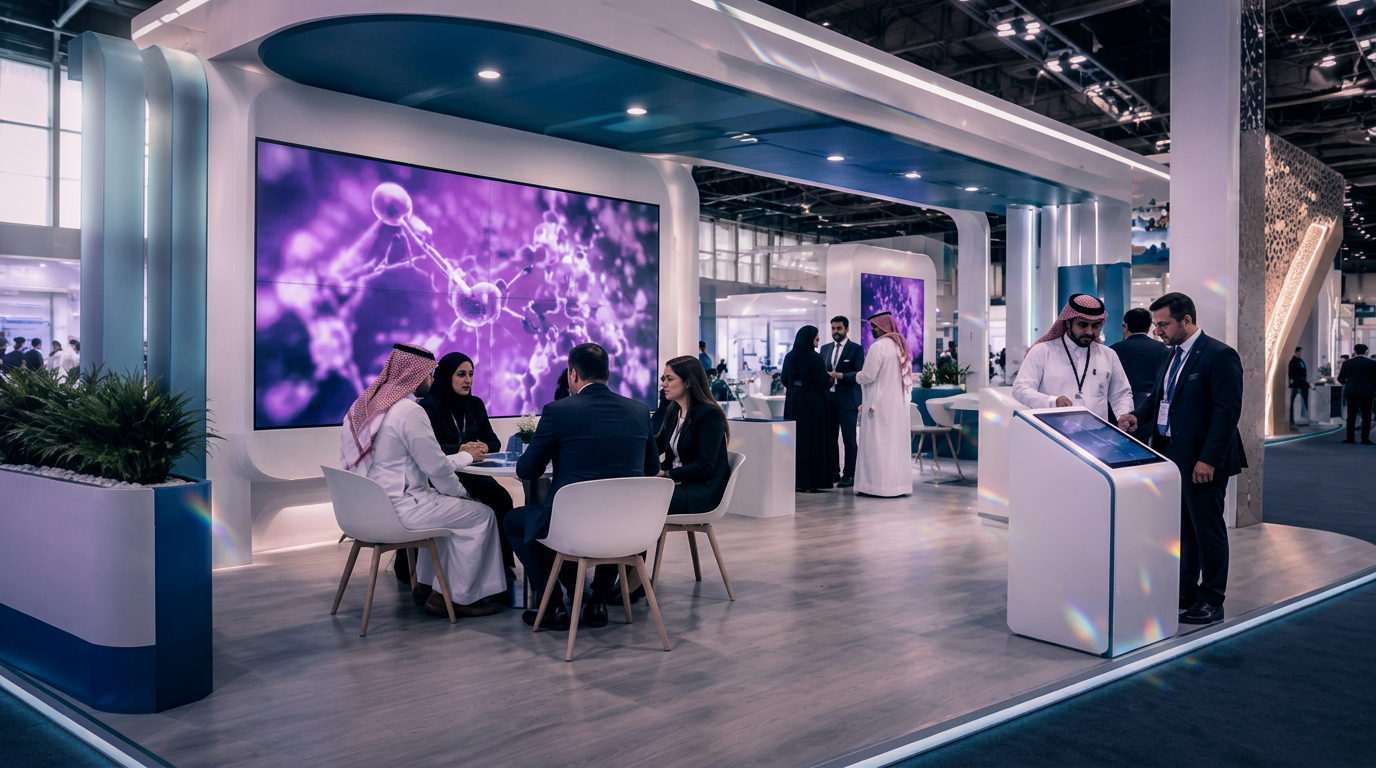
- Congress and launch activation that feeds PSP enrollment
- Compliance-first materials development aligned with SFDA guidelines
Ready to build a GLP-1 patient support program that actually works in Saudi Arabia? Contact Spectra Solutions MEA at service@spectra-mea.com or request a discovery session.
Have a question we did not cover?
Talk to our team about HCP engagement, experiential and digital strategy across the GCC.
Ask our team